


With over 30 years of experience, Proterial Cable America’s High Performance Medical Solutions (HPMS) combine precision, innovation, and expertise to deliver prototyping for medical applications. We understand that customization is crucial in medical device manufacturing. Our Research and Development Lab offers a unique opportunity to achieve tailored solutions through real-time adjustments and hands-on collaboration during the medical device development process.
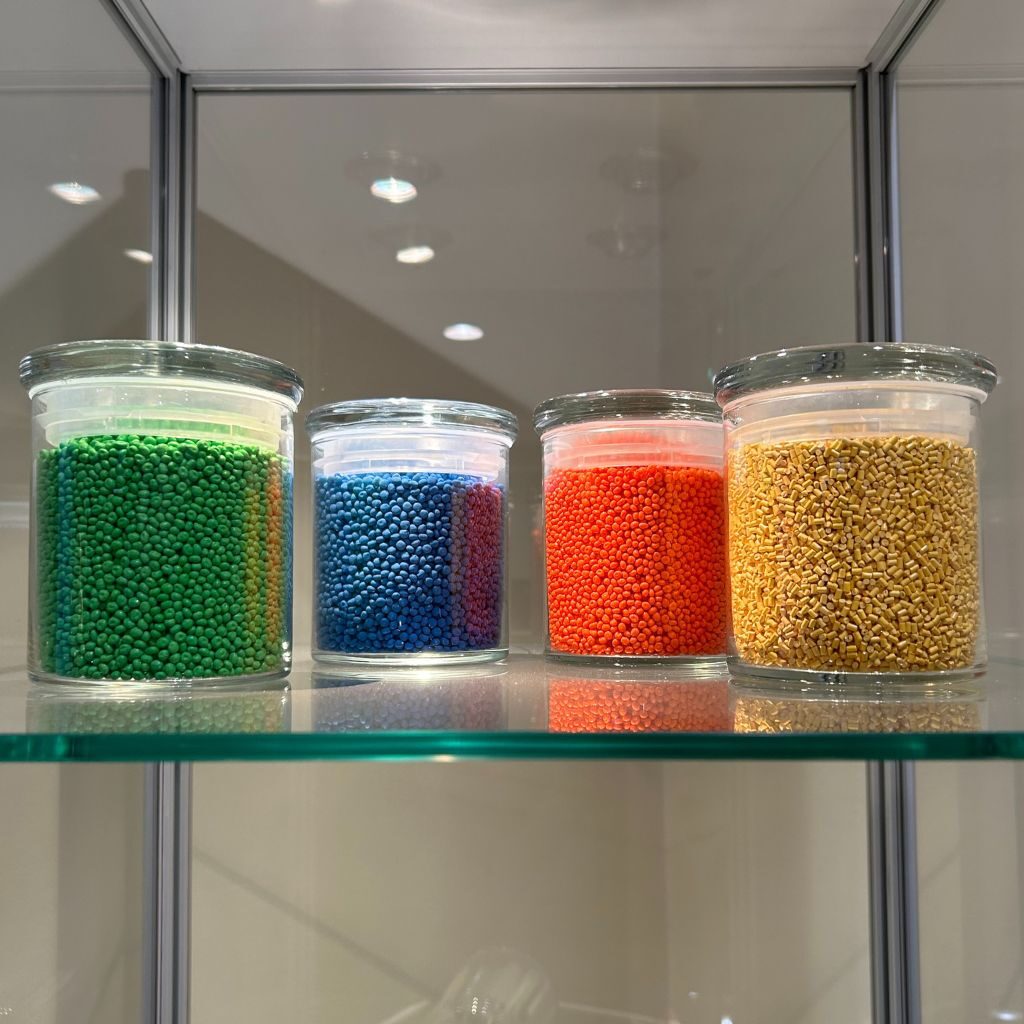
Make immediate adjustments to product designs, medical materials, and dimensions during the medical prototyping process. Whether testing alternative compounds, refining tubing thickness, or optimizing material properties, our engineers are on hand to implement changes to your medical tubing prototype in real-time. This hands-on collaboration reduces back-and-forth delays, shortening time to market.
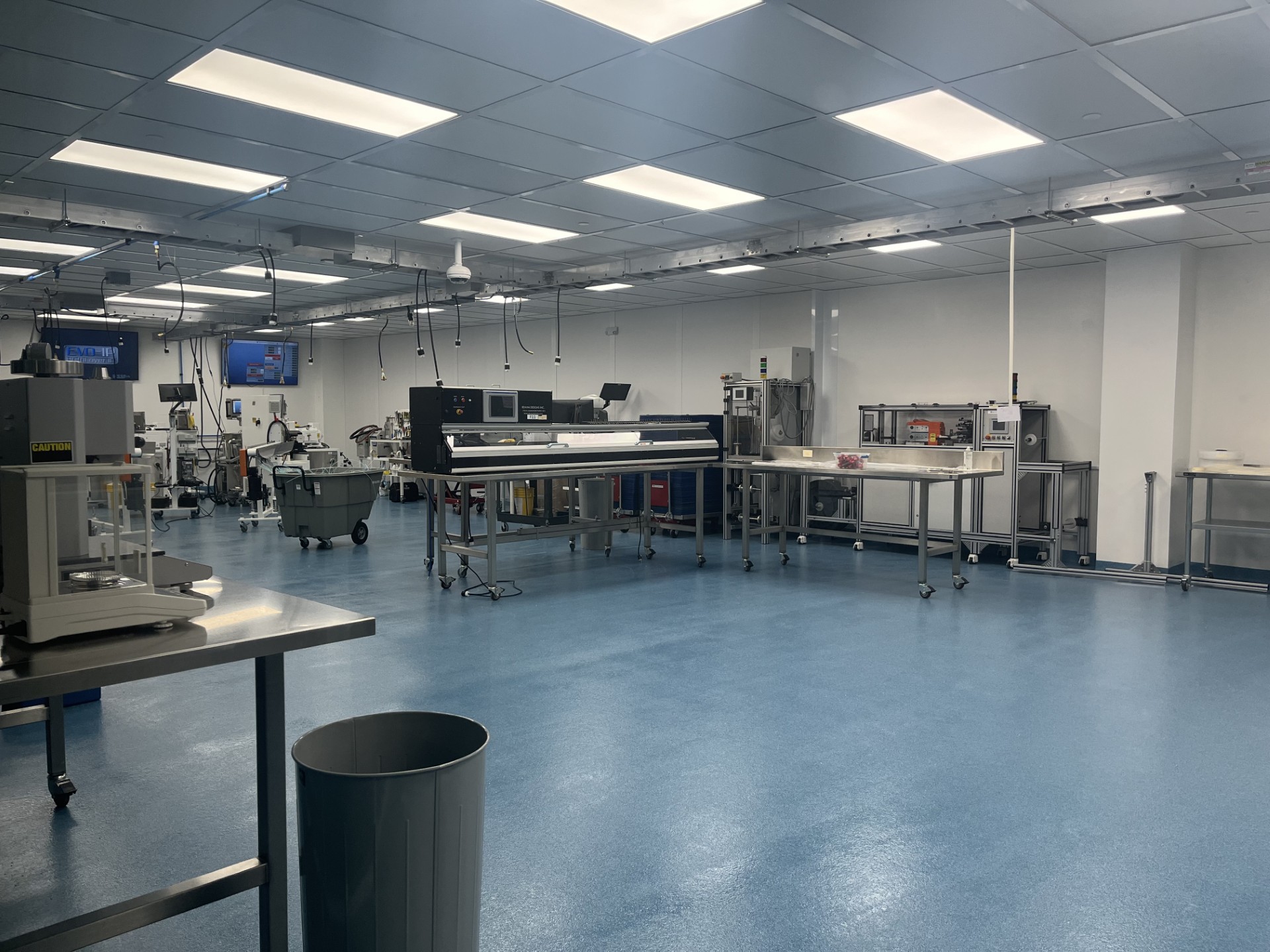
Our Ashaway, Rhode Island, lab offers privacy and an adjacent conference room where customers can collaborate directly with engineers during rapid medical device prototyping. Actively participate in the design process, observe real-time adjustments, and receive immediate feedback from our engineering team on your medical prototype design. Our quick-turn medical extrusion process keeps iterations moving without the delays of a traditional revision cycle.
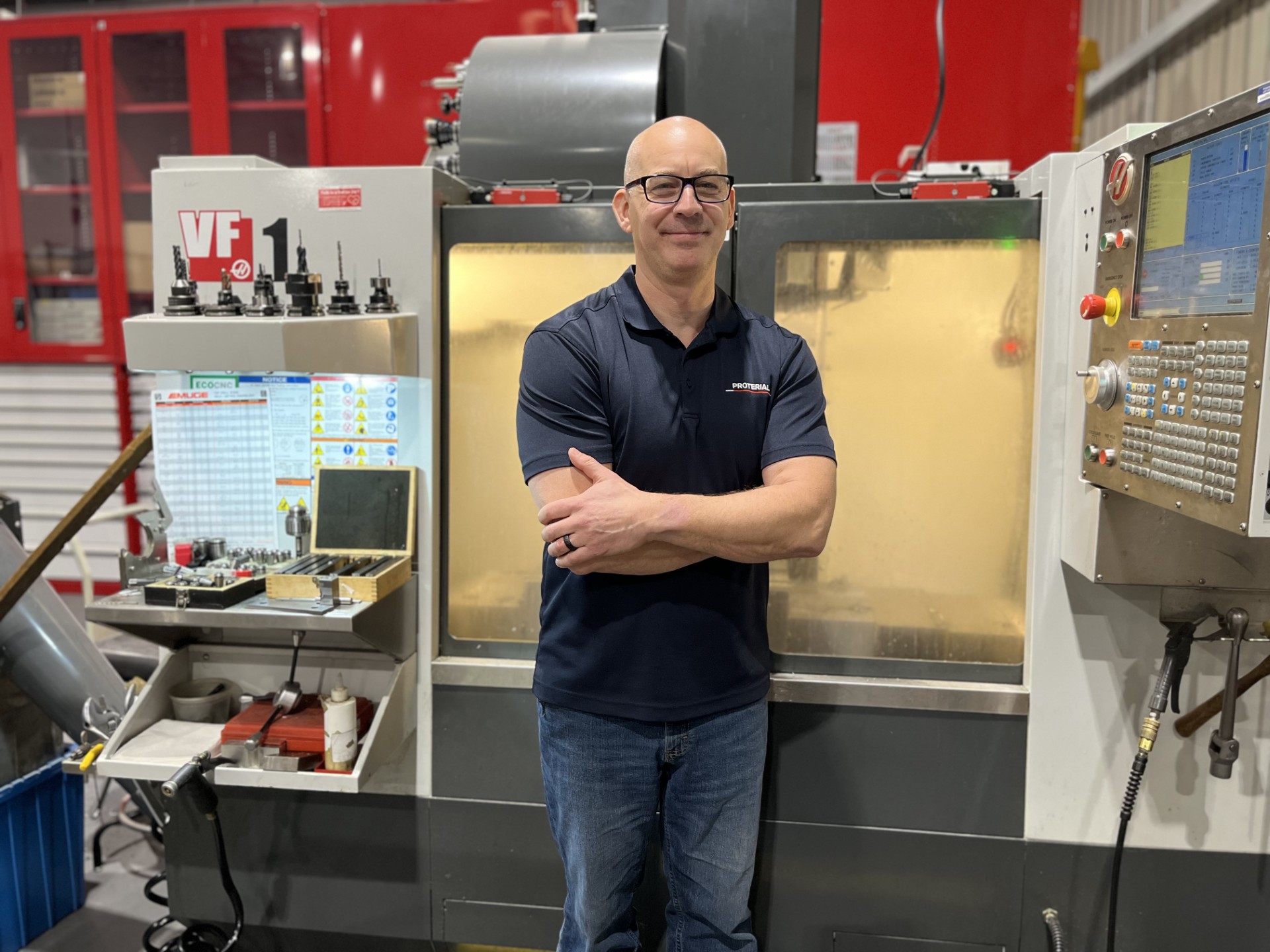
Our experienced engineers work side by side on the production floor throughout each rapid extrusion prototyping session, making real-time adjustments to materials, die configuration, wall thickness, and durometer as each sample is produced. For medical device OEMs, the result is a shorter development timeline and validated samples in hand. Rapid prototyping is intended to get medical innovations to market faster.

Medical OEMs trust PCA-HPMS to deliver medical device rapid prototyping services that carry through to full-scale production. Our ISO 13485:2016-certified facility, in-house tooling, and nearly 40 years of medical device development experience mean your medical device prototyping process is backed by the same quality system that governs every production run. From quick-turn medical extrusion to complex multi-lumen configurations across a broad range of biocompatible materials, PCA-HPMS supports medical device applications including catheter systems, ultrasound, endoscopy, and surgical robotics.
Partner with PCA-HPMS to develop your new medical devices.
Rapid extrusion prototyping is suited for any medical device built around extruded tubing components. Proterial’s HPMS team works on catheter, surgical, endoscopy, and ultrasound applications, as well as devices for robotic surgery, cardiovascular access, and imaging. Because the R&D Lab supports crosshead and in-line head tooling, profile dies, and rubber/silicone extrusion, it can produce medical tubing prototypes across a wide range of geometries, including single-lumen, multi-lumen, braided, and bump/taper configurations.
Traditional medical device prototyping separates the OEM from the manufacturing process. Design changes are submitted, tooling goes to outside suppliers for modification, and revised samples arrive days or weeks later. Each iteration adds time, and issues discovered late in the development timeline are costly to resolve.
At Proterial’s Ashaway, Rhode Island R&D Lab, OEM teams work directly alongside engineers on the production floor, adjusting materials, wall thickness, and die configuration in real time. The on-site tool shop produces and modifies tooling in-house, and prototypes can be delivered in as little as a few days. Because the lab runs actual extrusion equipment rather than 3D printing or other non-production-equivalent methods, prototypes reflect real production behavior at the same tolerances (.0005″ for wall or ID, .010″ for length), and the parameters validated during the session carry directly into full-scale production without a re-engineering step.
Yes. Proterial’s rapid extrusion prototyping capabilities extend to multi-lumen tubing. The HPMS team can produce tubing with up to 24 lumens per tube, up to three layers, and up to three taper transitions within a single extrusion. Multi-lumen configurations are available across a wide range of biocompatible materials and can incorporate bump or taper transitions within the same prototype run. This makes the R&D Lab a practical environment for testing complex medical tubing prototype designs before committing to production tooling.
Proterial’s HPMS division works with an extensive library of biocompatible materials selected for medical applications. During rapid extrusion prototyping, engineers can test and swap between compounds in real time. Commonly used materials include TPU (Thermoplastic Polyurethane), valued for its flexibility, tensile strength, and biocompatibility; Pebax, a thermoplastic elastomer frequently used in catheter applications; PVC with DEHP-free options for fluid management; and PEEK for high-performance structural applications requiring chemical resistance and thermal stability. The full medical materials library also includes Nylon, FEP, ETFE, HDPE, Polysulfone, Polyimide, and many others. Material selection during prototyping matters because switching compounds after tooling is finalized adds time and cost to the medical device development process.
3D printing and CNC machining produce physical prototypes that can be measured and reviewed, but neither replicates the continuous extrusion process used in medical manufacturing. A tube produced by 3D printing may look dimensionally accurate, but will not behave the same way under pressure, flex, or torque as an extruded version. Rapid extrusion prototyping uses the same fundamental manufacturing processes as full-scale production, so the prototype reflects how the finished extruded product will actually perform. For medical tubing prototypes that must meet burst pressure, kink resistance, or flexibility specifications before functional testing, this distinction is significant.
Medical OEMs visit Proterial’s R&D Lab in Ashaway, Rhode Island, and work alongside the engineering team on the production floor, with access to a private conference room adjacent to the lab. Engineers run an initial extrusion pass using the customer’s target specifications and make real-time adjustments to the die configuration, material compounds, wall thickness, or durometer based on the sample’s performance. The lab’s in-house tool shop can produce or modify tooling on demand during the session, removing the delay of sending tooling work to an outside supplier. Proterial states that prototypes can be delivered in as little as a few days, and the on-site collaboration model allows multiple iterations to be completed within a single visit rather than over multiple revision cycles.
Proterial’s HPMS division operates under an ISO 13485:2016-certified quality management system and complies with FDA 21 CFR Part 820. All manufacturing takes place in ISO Class 8 and Class 9 cleanrooms within the Rhode Island facility, with in-process validation, in-line monitoring, and full traceability from raw materials through final output. Because rapid extrusion prototyping uses the same extrusion equipment and process parameters as production, the physical device components behave consistently with what will be subject to regulatory compliance review. Catching material or dimensional issues at the prototyping stage rather than after submission is substantially less disruptive to the development timeline, and Proterial also provides in-process validation support to customers throughout the medical device development process.
Yes. Because Proterial’s medical device rapid prototyping services use production-equivalent tooling and extrusion equipment, the process parameters validated during the lab session carry over directly to full-scale production. There is no separate re-engineering step to bridge the gap between prototype and production methods. Once an OEM approves the medical device prototype, Proterial’s HPMS team can proceed with custom medical extrusion at production volumes using the same validated parameters, across 15 extruders running three daily shifts. The in-house tooling model, which covers the design, modification, and production of all tooling on-site, means that adjustments made during prototyping are immediately reflected in the production tooling, without delays from outside suppliers. This shortens time-to-market compared with workflows where prototype and production methods differ.
Yes. Proterial’s R&D Lab in Ashaway, Rhode Island, is specifically set up for on-site customer collaboration. OEM teams work directly alongside engineers on the production floor, observing each extrusion run and participating in real-time design decisions. An adjacent private conference room supports design reviews between runs. Rather than submitting change requests and waiting for revised samples, customers can evaluate results, adjust specifications, and approve iterations within the same session.
Rapid prototyping extrusion is suited for any medical device built around extruded tubing components. Proterial’s HPMS team works across a broad range of medical applications, including:
Because the R&D Lab supports single-lumen, multi-lumen, braided, bump, and taper extrusion configurations across a wide range of biocompatible materials, it covers most tubing-based medical device development needs from initial concepts through to samples ready for functional testing.
Proterial’s HPMS team can deliver medical prototypes in as little as a few days. The speed comes from two factors: the on-site R&D Lab places the OEM’s team and Proterial’s engineers in the same room so design decisions happen in real time rather than over email, and the in-house tool shop can produce or modify tooling during the session without sending work to a third-party supplier. Tolerances achieved during prototyping match production specifications, as low as .0005″ for wall or ID and .010″ for length, so samples produced in the lab are functionally representative of what the medical device development process will deliver at scale.
Samples are available in 1m increments, up to 5m. Quotes are available for larger orders, available in 100m increments, subject to availability.